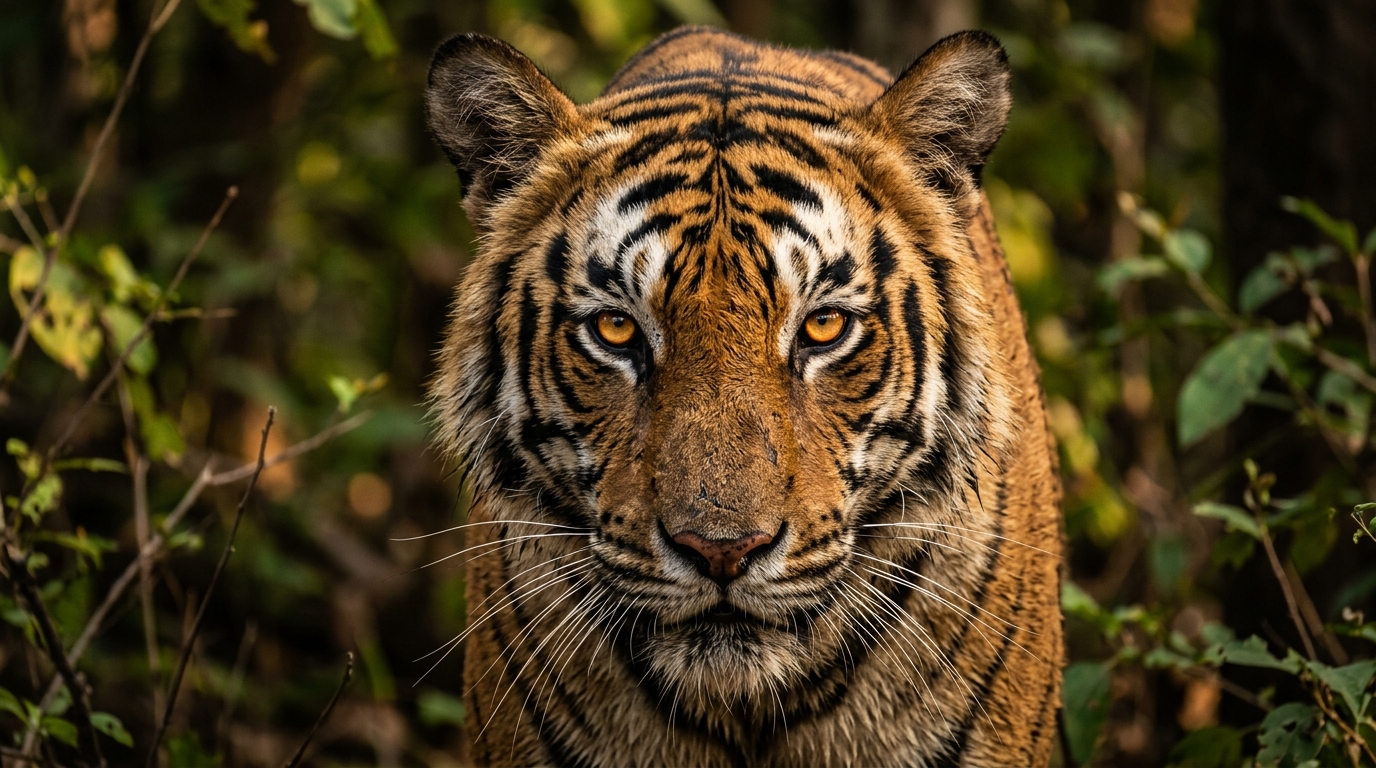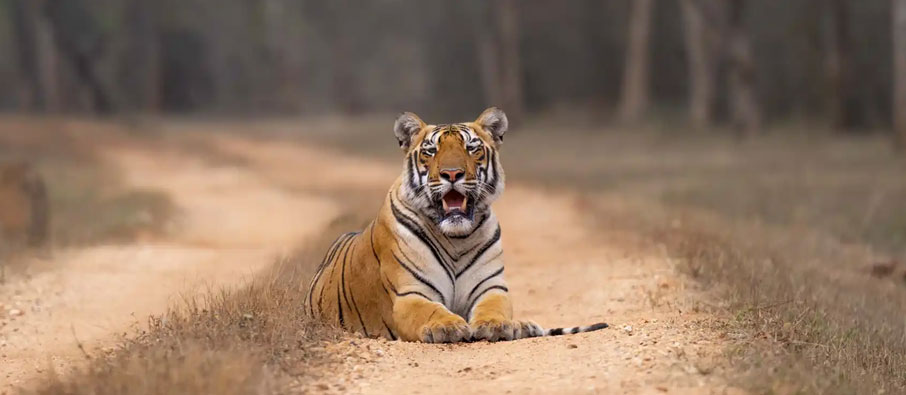
Tadoba Andhari Tiger Reserve, located in Maharashtra, is one of India’s oldest and most rewarding tiger reserves. Known for its high tiger density and open landscapes, Tadoba attracts wildlife lovers, photographers, and first-time safari travellers throughout the year. However, the quality of a safari experience here depends greatly on the season chosen. Understanding seasonal changes helps travellers plan better and set realistic expectations. Tadoba is spread across dry deciduous forests, bamboo thickets, lakes, and meadows. It supports a rich population of tigers, leopards, sloth bears, wild dogs, and several herbivores. The reserve is divided into core and buffer zones, each offering a unique safari experience influenced by climate and forest conditions.
Visiting Tadoba in Winter (October to February)
Winter temperatures range between 10°C and 28°C. Mornings can be chilly, especially during jeep safaris, while afternoons remain pleasant. Post-monsoon greenery makes the forest visually appealing. However, thick vegetation may reduce long-distance visibility, especially for big cats resting deeper inside cover.
Animals remain active throughout the day. Sightings of birds, deer, and smaller mammals are frequent. Tigers are present but may not always appear near roads. Winter safaris are relaxed and comfortable. This season suits families, senior travellers, and those focused on the overall forest experience rather than only predator sightings. Many travellers prefer winter when planning a Tadoba online safari booking due to pleasant weather and stable road conditions.
Visiting Tadoba in Summer (March to June)
Summer temperatures can reach 45°C. The heat is intense, especially during afternoon safaris. However, dry conditions change the forest dramatically. As natural water sources dry up, animals gather around lakes and waterholes. This increases sighting probability, particularly for tigers and leopards. Tigers are more visible in summer as they move frequently in search of water. Sparse vegetation improves visibility and tracking chances during safaris.
Despite the heat, summer offers thrilling wildlife encounters. Photographers and serious wildlife enthusiasts often prefer this season for higher success rates. Those planning an Indian tiger safari booking during summer usually prioritise sightings over comfort.
Winter vs Summer: Key Differences at a Glance
Winter is comfortable and ideal for casual travellers. Summer is physically demanding but rewarding for wildlife sightings. Winter forests are lush and scenic. Summer forests are dry, open, and easier for spotting animals. Summer offers higher chances of tiger sightings. Winter provides balanced wildlife activity but lower visibility for predators. Winter offers soft lighting and green backdrops. Summer delivers dramatic wildlife action with earthy tones and clear frames.
Which Is the Best Season for Tadoba Safari?
• Season-Wise Suitability for Different Visitor Expectations - Winter suits travellers seeking comfort, birdlife, and peaceful forest drives. Summer suits those focused on tiger sightings and wildlife photography. • Wildlife Viewing vs Comfort Comparison - There is a clear trade-off between comfort and sighting probability. Choosing the season depends on personal expectations rather than general recommendations. • Honest Conclusion Based on Experience, Not Hype - There is no single “best” season for Tadoba. Winter offers serenity and comfort, while summer delivers intensity and visibility. A well-planned safari, guided by realistic expectations, ensures a fulfilling experience regardless of the season chosen.
Choosing the Right Season Matters for the Safari Experience
The season affects visibility, animal movement, comfort, and even photography outcomes. While wildlife is present year-round, behaviour patterns change with temperature, water availability, and vegetation density. This makes winter and summer safaris distinctly different in Tadoba. Winter offers comfort and scenic beauty, while summer provides higher chances of tiger sightings. Both seasons have advantages, and the choice depends on visitor priorities rather than marketing claims.